
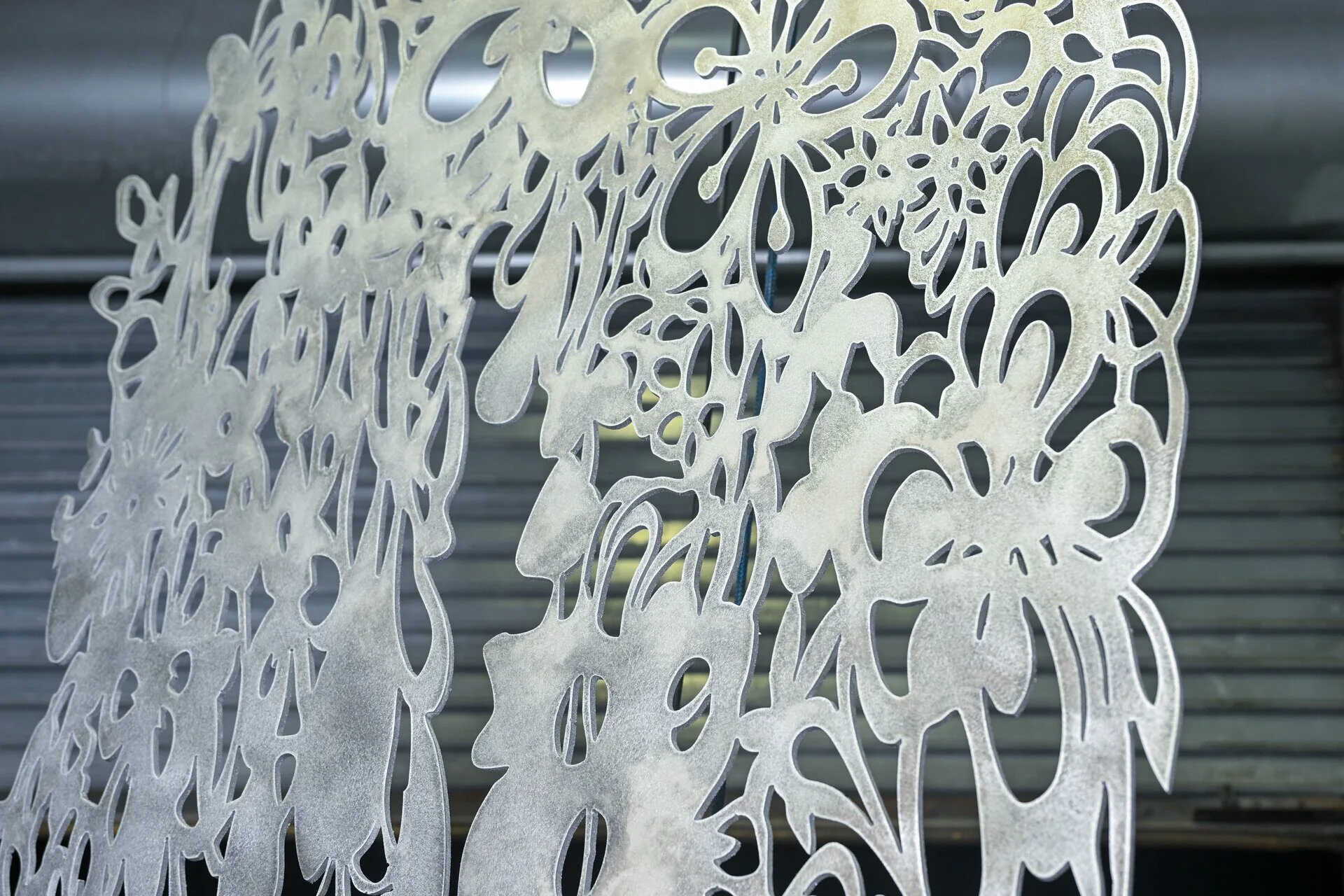
When it comes to precision metal cutting in fabrication, two technologies dominate: water jet cutting and plasma cutting. Each has distinct strengths, and choosing the right one significantly affects the quality, cost, and timeline of your project.
How Water Jet Cutting Works
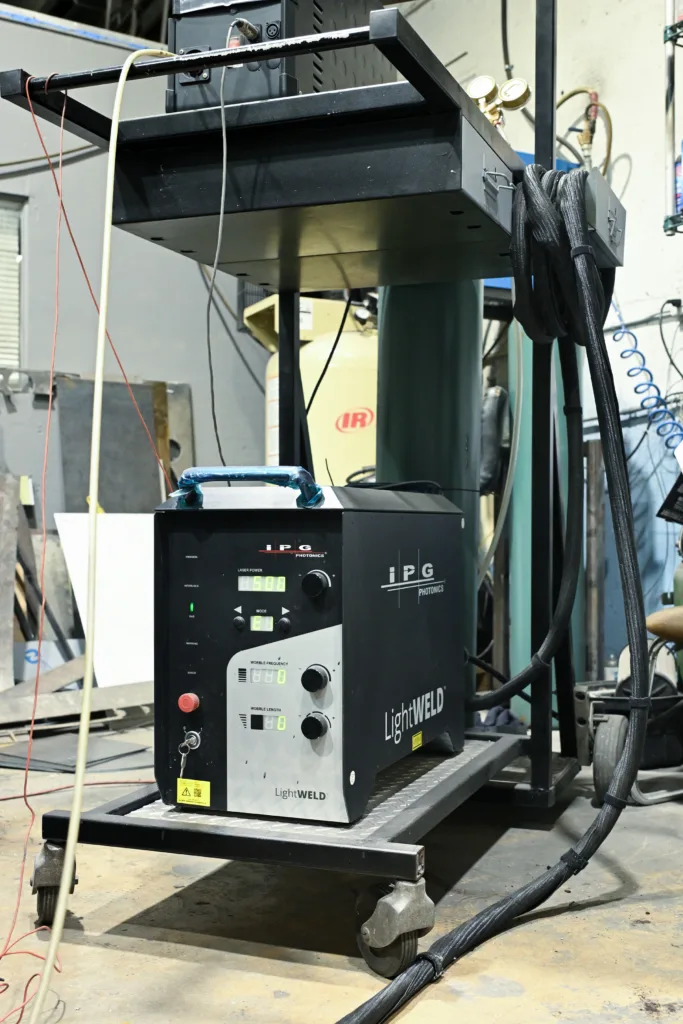
Water jet cutting uses a high-pressure stream of water — sometimes mixed with abrasive garnet — to cut through metal at up to 60,000 PSI. It is a cold-cutting process: no heat-affected zone (HAZ), so metal properties are preserved at the cut edge.
How Plasma Cutting Works
Plasma cutting uses a high-velocity jet of ionized gas to melt and blow away metal at the cut line. It is faster than water jet for thick steel and more cost-effective for large-volume cuts, but produces a heat-affected zone.
Side-by-Side Comparison
- Precision: Water jet wins — tolerances to ±0.001″. Plasma is typically ±0.02″.
- Speed: Plasma cuts faster on thick steel (>1/2″).
- Materials: Water jet cuts almost anything. Plasma is limited to conductive metals.
- Cost: Plasma cutting is generally cheaper per linear foot.
- Best for: Water jet = ornamental details. Plasma = structural cuts, large sheets.
Have a project in mind? Talk to our team about which cutting method is best for your design and budget.
Ready for Your Project?
Custom metal fabrication in Miami-Dade. Free estimates. No commitment.